

Systemics examines the quality of telecommunications services using drones
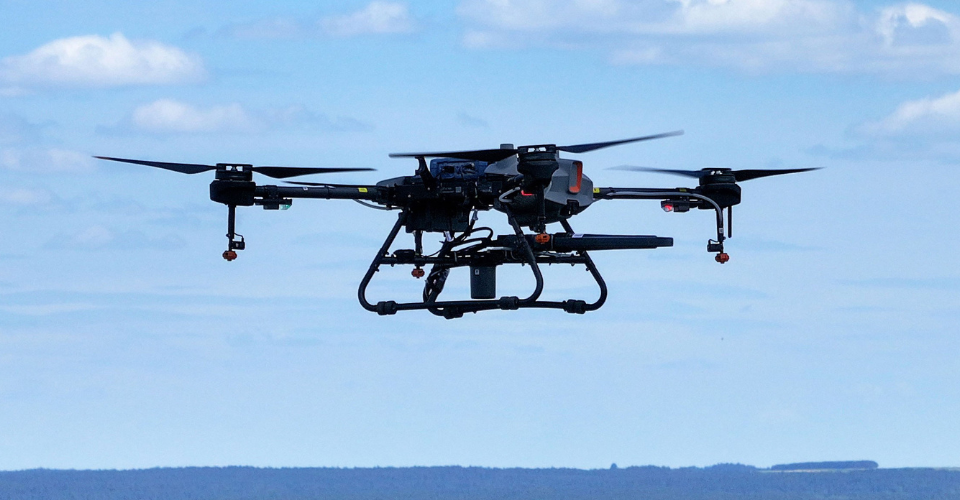
The need for such measurements arises because, as the altitude at which we use cellular devices increases, the level of interference with the channels and frequency blocks used also increases.
“With the development of new telecommunications services, new challenges emerge to ensure their proper operation. We are increasingly seeing the use of cellular networks to communicate with devices that move above our heads. In such cases, we must ensure our security and that the operators can guarantee the proper operation of their services. To investigate such instances of network use, it is necessary to use measurement methods in conditions similar to those in which the service is used,” says Jan Kondej, technical director of Systemics Sp. z o.o.
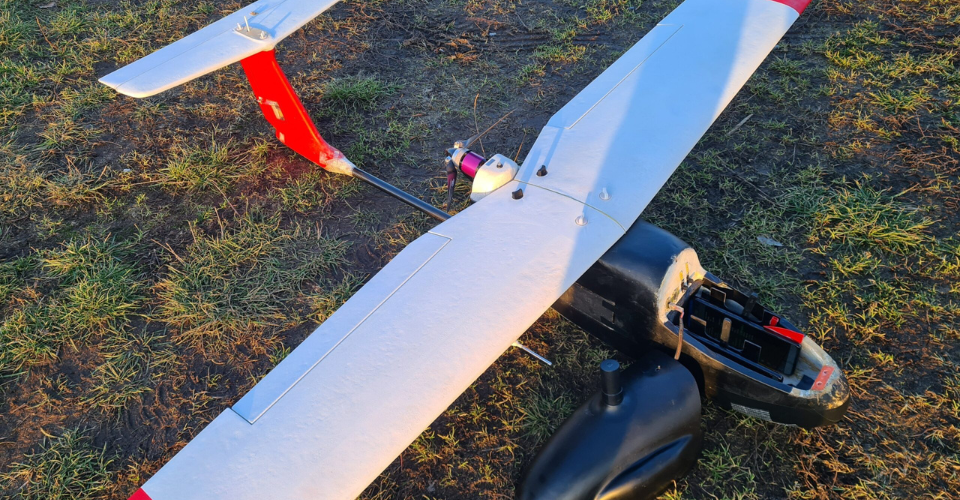
Systemics already conducts quality tests of telecommunications services using drones. These tests evaluate the quality of data transmission services for various applications and uses. The need for such measurements arises because, as the altitude at which we use cellular devices increases, the level of interference with the channels and frequency blocks used also increases. This results in a noticeable deterioration of data transmission, quality of video services, and difficulties in using the network due to the mismatch between the radio conditions and the mobility and traffic management procedures designed for subscriber terminals at ground level.
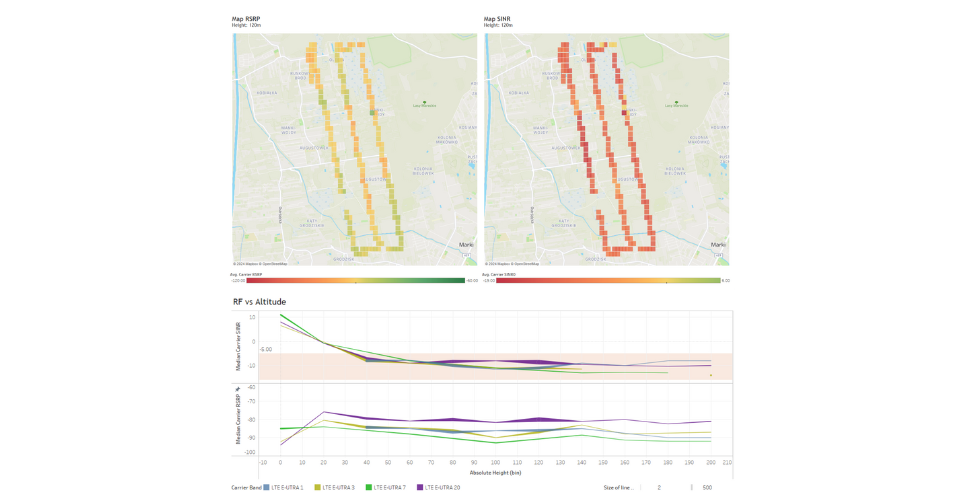
The deterioration in the quality of data transmission services with increasing altitude can affect the quality of the images received from observation devices. Flight routes may need to be adjusted to remain in areas with good service at a given altitude for as long as possible and undisturbed. Drones can also help identify sources of interference. For airborne measurements, Systemics uses fixed-wing and rotor drones equipped with measurement terminals or frequency spectrum analyzers.